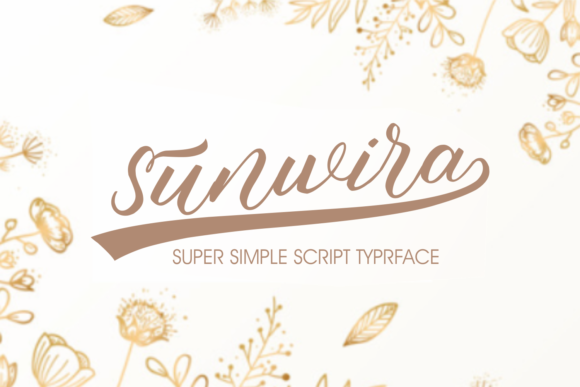
Sunwira: A Balanced Script Font for Modern Web Design
In the fast-paced world of digital product creation, selecting the right typeface is often the difference between a generic interface and a memorable brand experience. As web designers and UI specialists, we constantly search for fonts that bridge the gap between personality and performance. Sunwira emerges as a compelling option in this space. It is a lovely, classic, and well-balanced script font designed to bring a delicate, personalized touch to various digital creations without sacrificing the structural integrity required for modern screens.
Unlike many decorative handwritten fonts that struggle with legibility on smaller devices, Sunwira maintains a consistent rhythm that supports visual hierarchy. Its strokes are fluid yet controlled, making it an excellent choice for designers who need to inject warmth into a layout while maintaining professionalism. Whether you are building a landing page for a SaaS product or curating an online store for boutique goods, the way a font renders on a retina display matters. Sunwira offers that crisp, vector-sharp quality essential for high-resolution monitors and mobile devices alike.
Elevating Visual Hierarchy in Digital Layouts
The primary role of a display font in web design is to guide the user's eye. Sunwira excels in hero sections and header areas where immediate emotional connection is crucial. When used for main titles, its balanced curves create a focal point that draws attention without overwhelming the surrounding content. This is particularly valuable for conversion-focused layouts where the headline must resonate instantly with the visitor.
Consider a coaching website or a course sales page. The goal is to establish trust and approachability. Using Sunwira for the hero headline sets a tone of expertise mixed with personal care. However, readability remains paramount. While Sunwira is perfect for short phrases, logo text, and section headings, it is not intended for long-form body copy. For paragraphs, pair this creative font with a clean sans serif font like Inter or Roboto. This contrast ensures that while the brand voice feels human and unique, the informational content remains easy to scan and digest.
For those aiming for a more editorial digital identity, pairing Sunwira with a sophisticated serif font can create a luxurious feel suitable for high-end portfolios or lifestyle blogs. The key is to let Sunwira handle the accents—pull quotes, call-to-action buttons, and navigation highlights—while relying on neutral typefaces for the heavy lifting of information delivery.
Optimizing for Mobile and Responsive Environments
One of the biggest challenges with script fonts is ensuring they remain legible on mobile screens. Sunwira's well-balanced construction helps mitigate common issues like character collision or indistinct loops at smaller sizes. When implementing Sunwira in responsive layouts, pay close attention to line height and letter spacing. On touch devices, ensure that any interactive elements featuring this font, such as buttons or banner links, have sufficient padding.
Background contrast is another critical factor. Sunwira shines on light backgrounds, but it can also perform well on dark modes if the stroke weight is sufficient. Avoid placing it over busy image overlays unless you apply a subtle drop shadow or a semi-transparent overlay to boost contrast. For small buttons or footer elements, test the font at 14px or 16px to ensure the delicate details do not blur. If the intricacy gets lost, reserve Sunwira for larger H1 and H2 tags and switch to a simpler sans serif for micro-copy.
Practical Applications for Brand Identity
The versatility of Sunwira extends across various digital touchpoints. For online store owners, this premium font can transform standard product banners into branded assets that feel curated rather than templated. It works exceptionally well for categories like beauty, wellness, artisanal foods, and fashion, where the aesthetic appeal directly influences purchasing decisions.
- Landing Pages: Use Sunwira for the primary value proposition to add a human element to tech products.
- Portfolio Sites: Ideal for introducing case studies or labeling project categories with a stylish flair.
- Social Media Graphics: Perfect for quote cards and story highlights that need to stand out in a crowded feed.
- Email Headers: Adds a personalized greeting tone to newsletters and automated sequences.
- Digital Ads: Grabs attention in static banners where space is limited but impact must be high.
Furthermore, because Sunwira is PUA (Private Use Area) encoded, it offers extended access to alternates and glyphs that might not be available in standard character maps. This feature allows designers to customize ligatures and swashes, ensuring that logos and specific brand marks have a unique signature. This level of customization is vital for creating a distinct brand identity that competitors cannot easily replicate with default system fonts.
Technical Considerations and Licensing
When integrating Sunwira into a web project, always verify the included file formats. For optimal loading speeds and rendering performance, convert the font files to WOFF2 format before uploading them to your server. This ensures that the modern typography loads quickly, preventing Flash of Unstyled Text (FOUT) which can disrupt the user experience. Check the font family for different weights or styles if available, although script fonts often rely on a single master style with stylistic sets for variation.
It is also essential to address licensing. As a commercial asset, Sunwira requires the appropriate license for client projects, online stores, and digital templates. If you are designing a theme for resale or creating a logo for a corporate client, ensure you purchase the correct commercial license. This protects both you and your client from legal issues down the line and supports the type foundry in continuing to produce high-quality design assets.
In summary, Sunwira represents a thoughtful blend of classic elegance and digital functionality. It solves the common dilemma of wanting a handwritten look without compromising on the clean lines necessary for professional web design. By using it strategically in headers, accents, and branding elements, you can elevate the emotional resonance of your digital products while maintaining a seamless, user-friendly interface.